


S2E7 The Merger
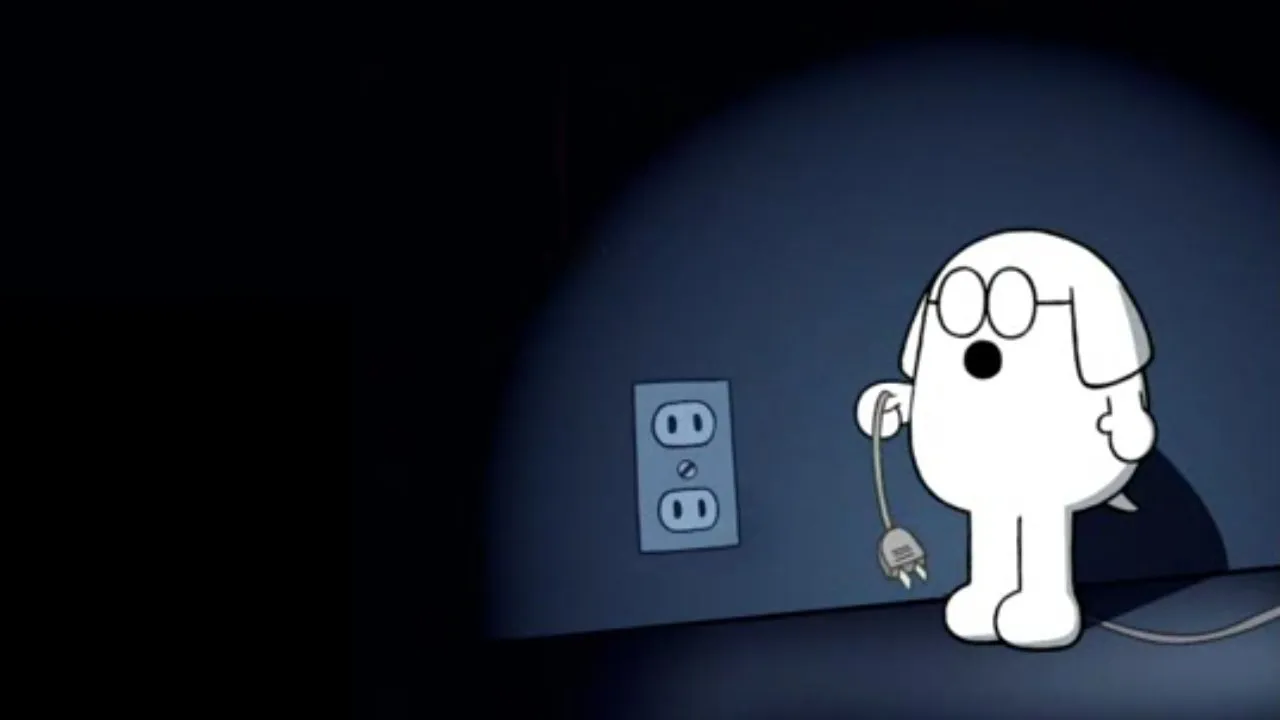
In order to help spend excess money, the boss concocts a scheme to merge the company with another. Dogbert is called in as a consultant.
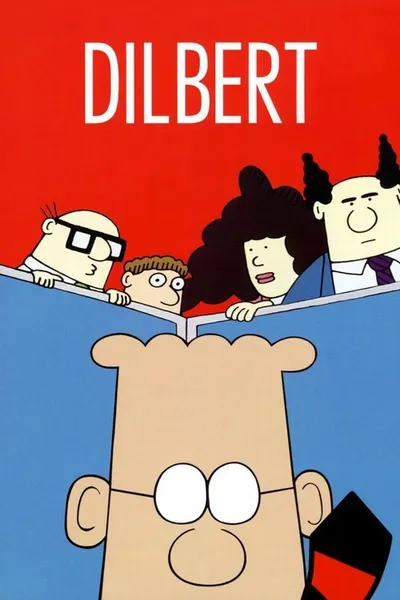
Dilbert, a socially awkward but highly competent engineer, works in a dysfunctional workplace. The series satirizes corporate culture, featuring clueless managers, pointless meetings, bizarre company policies, and the daily frustrations of modern office life.

Every episode at a glance, color-coded by rating. Rows are episode numbers within each season, columns are seasons.

The best and worst episodes at a glance. Use this to find must-watch episodes or ones you might want to skip.
In order to help spend excess money, the boss concocts a scheme to merge the company with another. Dogbert is called in as a consultant.
When Dilbert learns of all the bureaucratic red tape involving disposal of obsolete equipment, he, Alice, Wally, Asok, and Loud Howard become desperate to find a place to store theirs. A chat with Young Zeke Who Takes Really Bad C...
Dilbert buys a computer over the Internet. He has it sent to work, but the delivery that the boss signs for is not what Dilbert ordered. When he calls to complain, he discovers that his own company provides support for the complai...
Dilbert and his team toil diligently on the prototype for the Gruntmaster 6000. They face stiff competition from another engineering team led by Lena.
Each point is an episode, plotted chronologically. The colored bands mark season boundaries. Look for upward or downward trends to see if quality improved or declined over time.
Vote count shows how many people cared enough to rate. High votes + high rating = beloved classic. High votes + low rating = notorious stinker. Low votes + high rating = hidden gem.
Episodes plotted by rating vs. vote count. The vertical line marks the rating threshold (7.5). More votes = more engagement. Toggle above to compare against global or show-specific median.
Did each season build momentum or fizzle out? Green arrows mean the finale rated higher than the premiere. Red means the opposite. Longer arrows = bigger swings.
Some seasons are reliable bangers. Others are hit-or-miss. Each dot is an episode. Tightly clustered dots mean consistent quality. Scattered dots mean a mixed bag.
Each dot is an episode. Clustered dots = consistent quality. Scattered dots = variable season. Hover for episode details.