
S2E1 Shin Wars
Shin plays Puke Skypooper and saves the galaxy in this parody of the original "Star Wars" trilogy.
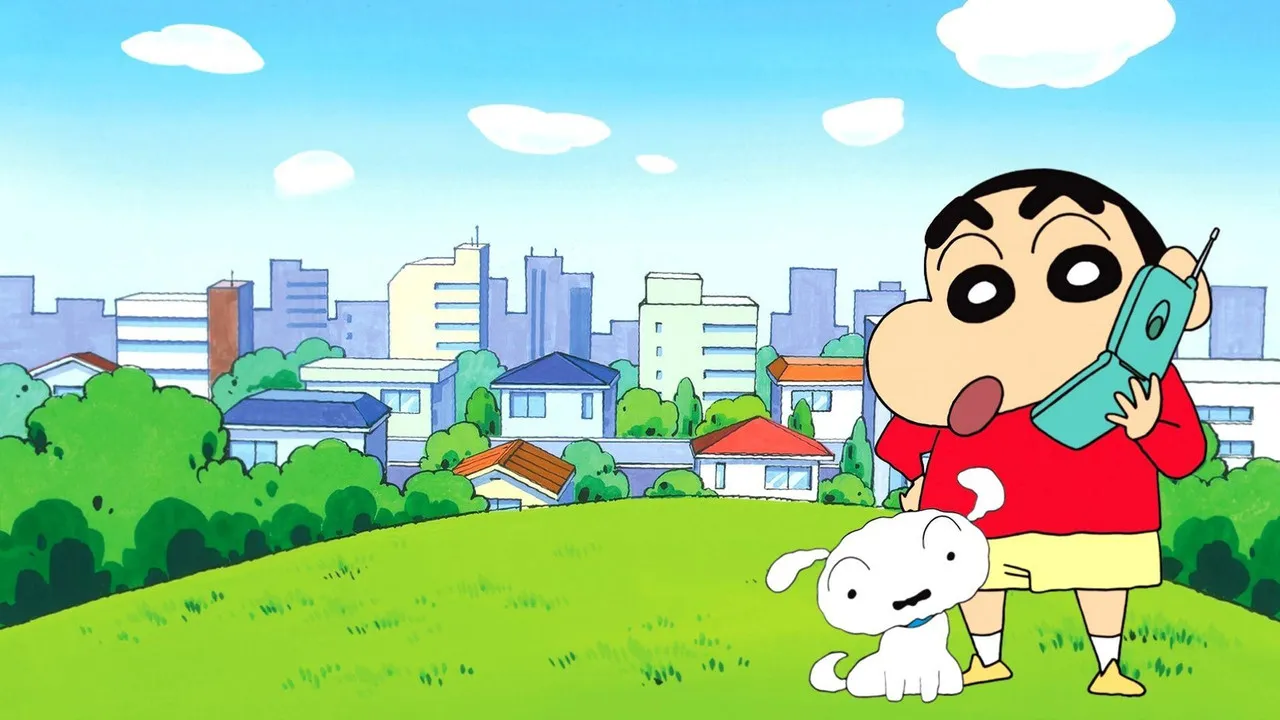
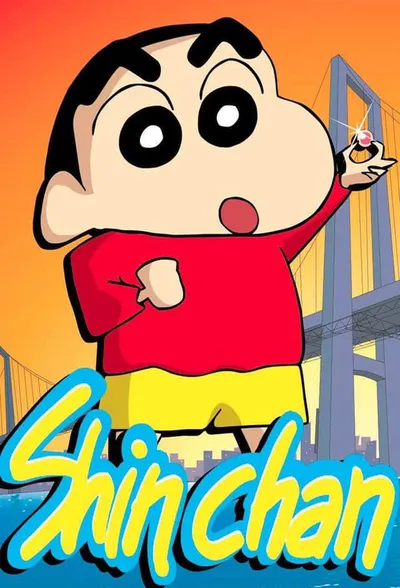
English language adult parody based on the Japanese series Shinchan (1992). Shin is a 5-year-old boy who is constantly doing and saying inappropriate things, much to the dismay and annoyance of those around him, with hilarious results. Shin along with his family including his little sister Hima and his dog Whitey, as well as his friends from kindergarten, ends up turning everyday situations into funny adventures. This entry is for the Funimation English dub which originally aired on CN's Adult Swim between 2006 and 2011.

Every episode at a glance, color-coded by rating. Rows are episode numbers within each season, columns are seasons.

The best and worst episodes at a glance. Use this to find must-watch episodes or ones you might want to skip.
Shin plays Puke Skypooper and saves the galaxy in this parody of the original "Star Wars" trilogy.
Refused an allowance, Shin gets pissed and decides to get even. They'll be no relief from this strike...
How We Spent Our Two-Year Summer Vacation! Anime is for Children (and Loser Adults)! Soaking Wet Country Club!
Miss Katz Has the AIDS! Hos Think They Can Dance! Lucky Bastard Fever: Episode 5 - Gang-Bang, Victorious!
Each point is an episode, plotted chronologically. The colored bands mark season boundaries. Look for upward or downward trends to see if quality improved or declined over time.
Vote count shows how many people cared enough to rate. High votes + high rating = beloved classic. High votes + low rating = notorious stinker. Low votes + high rating = hidden gem.
Episodes plotted by rating vs. vote count. The vertical line marks the rating threshold (7.5). More votes = more engagement. Toggle above to compare against global or show-specific median.
A simplified view: one point per season. This smooths out episode-to-episode noise to show the overall arc of the series.
Did each season build momentum or fizzle out? Green arrows mean the finale rated higher than the premiere. Red means the opposite. Longer arrows = bigger swings.
Some seasons are reliable bangers. Others are hit-or-miss. Each dot is an episode. Tightly clustered dots mean consistent quality. Scattered dots mean a mixed bag.
Each dot is an episode. Clustered dots = consistent quality. Scattered dots = variable season. Hover for episode details.