
S18E139 Kelly Ripa/Jennifer Lawrence/How to Succeed in Business Without Really Trying
Dave welcomes actor Bryan Cranston, comedian Jeff Altman and musical guest Garland Jeffreys.
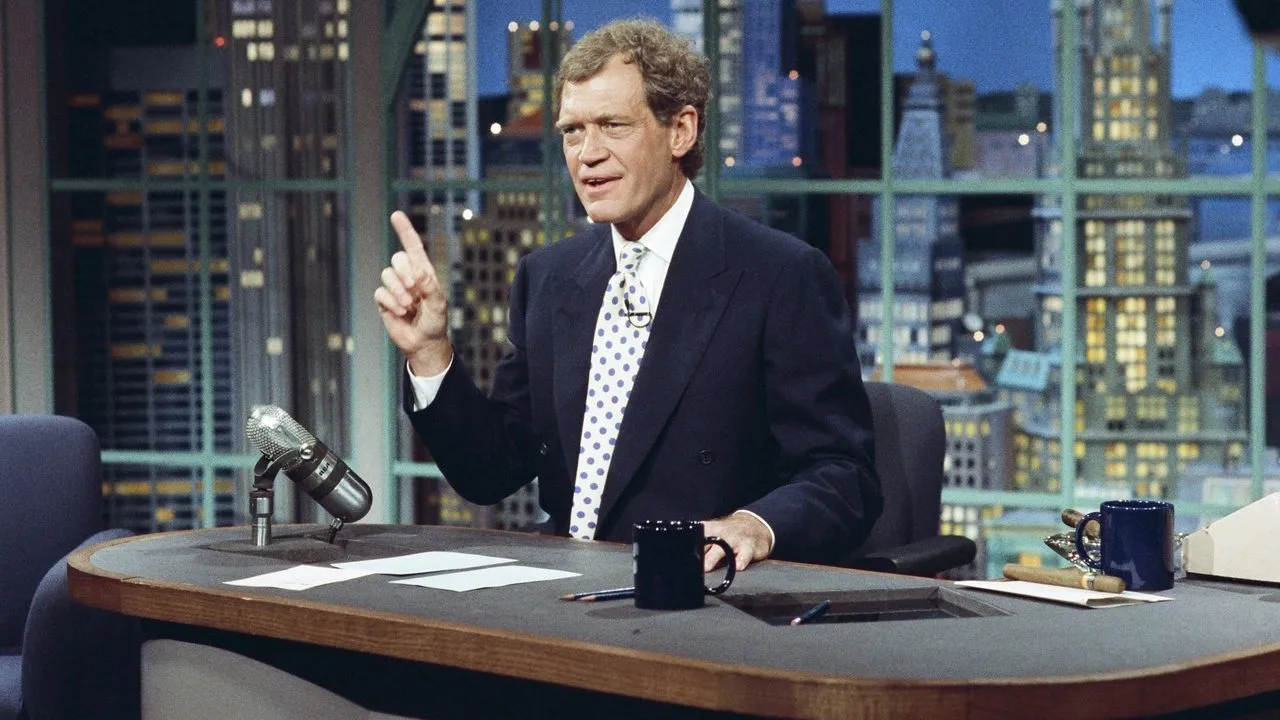
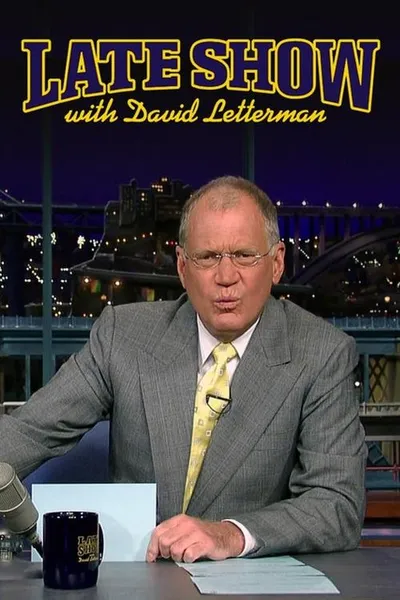
Late Show with David Letterman is an American late-night talk show hosted by David Letterman on CBS. The show debuted on August 30, 1993, and is produced by Letterman's production company, Worldwide Pants Incorporated and CBS Television Studios. The show's music director and band-leader of the house band, the CBS Orchestra, is Paul Shaffer. The head writer is Matt Roberts and the announcer is Alan Kalter. Of the major U.S. late-night programs, Late Show ranks second in cumulative average viewers over time and third in number of episodes over time. The show leads other late night shows in ad revenue with $271 million in 2009. In most U.S. markets the show airs at 11:35 p.m. Eastern/Pacific time, but is recorded Monday through Wednesday at 4:30 p.m., and Thursdays at 3:30 p.m and 6:00 p.m. The second Thursday episode usually airs on Friday of that week. In 2002, Late Show with David Letterman was ranked No. 7 on TV Guide's 50 Greatest TV Shows of All Time. CBS has a contract with Worldwide Pants to continue the show through 2014; by then, Letterman will surpass Johnny Carson as the longest tenured late-night talk show host.

Every episode at a glance, color-coded by rating. Rows are episode numbers within each season, columns are seasons.

The best and worst episodes at a glance. Use this to find must-watch episodes or ones you might want to skip.
Dave welcomes actor Bryan Cranston, comedian Jeff Altman and musical guest Garland Jeffreys.
Dave welcomes actress Debra Messing, actor Josh Hutcherson, and musical guests Oberhofer.
Michael Chiklis; comedian Gary Mule Deer; new summer toys with Shannon Eis.
Each point is an episode, plotted chronologically. The colored bands mark season boundaries. Look for upward or downward trends to see if quality improved or declined over time.
Vote count shows how many people cared enough to rate. High votes + high rating = beloved classic. High votes + low rating = notorious stinker. Low votes + high rating = hidden gem.
Episodes plotted by rating vs. vote count. The vertical line marks the rating threshold (7.5). More votes = more engagement. Toggle above to compare against global or show-specific median.
A simplified view: one point per season. This smooths out episode-to-episode noise to show the overall arc of the series.
Did each season build momentum or fizzle out? Green arrows mean the finale rated higher than the premiere. Red means the opposite. Longer arrows = bigger swings.
Some seasons are reliable bangers. Others are hit-or-miss. Each dot is an episode. Tightly clustered dots mean consistent quality. Scattered dots mean a mixed bag.
Each dot is an episode. Clustered dots = consistent quality. Scattered dots = variable season. Hover for episode details.